Fouling is the main operational limitation of reverse osmosis. Deposits on the membrane surface reduce permeate flow, increase pressure drop and salt passage, and eventually force a cleaning shutdown or premature replacement. The good news is that most fouling is predictable — and preventable — if you monitor the right numbers and design pretreatment around the feed.
Know what you are fighting
- Particulate / colloidal fouling — silt, clay, iron oxides and colloids. Indicated by high SDI and turbidity. Controlled by media filtration, coagulation, cartridge filters and often a UF pretreatment barrier.
- Scaling — sparingly soluble salts (calcium carbonate, calcium sulphate, silica, barium/strontium sulphate) concentrate in the brine channel and precipitate. Controlled by recovery limits, softening, antiscalant dosing and pH adjustment.
- Biofouling — bacteria attach and build a biofilm that is difficult to remove. Controlled by nutrient removal, hygienic pretreatment, biocide compatibility and avoiding stagnant operation.
- Organic fouling — natural organic matter, oils and process chemicals adsorb to the polyamide surface. Controlled by activated carbon, coagulation and, for high organics, NF or UF upstream.
- Oxidative damage — technically degradation rather than fouling, but it appears the same way in the data. Free chlorine above 0.1 ppm attacks polyamide membranes irreversibly. Always provide dechlorination.
Monitor normalized performance, not raw readings
Raw permeate flow changes naturally with feed temperature and pressure, so a falling flow rate does not automatically mean fouling. Track normalized permeate flow, normalized salt passage and differential pressure across each stage. A useful rule of thumb used across the industry: investigate and clean when normalized flux drops by about 10–15%, salt passage rises noticeably, or pressure drop increases significantly above the clean baseline.
Keep a clean-start baseline from the first weeks of operation. Without it, gradual fouling is almost impossible to distinguish from seasonal temperature variation.
Pretreatment is the cheapest insurance
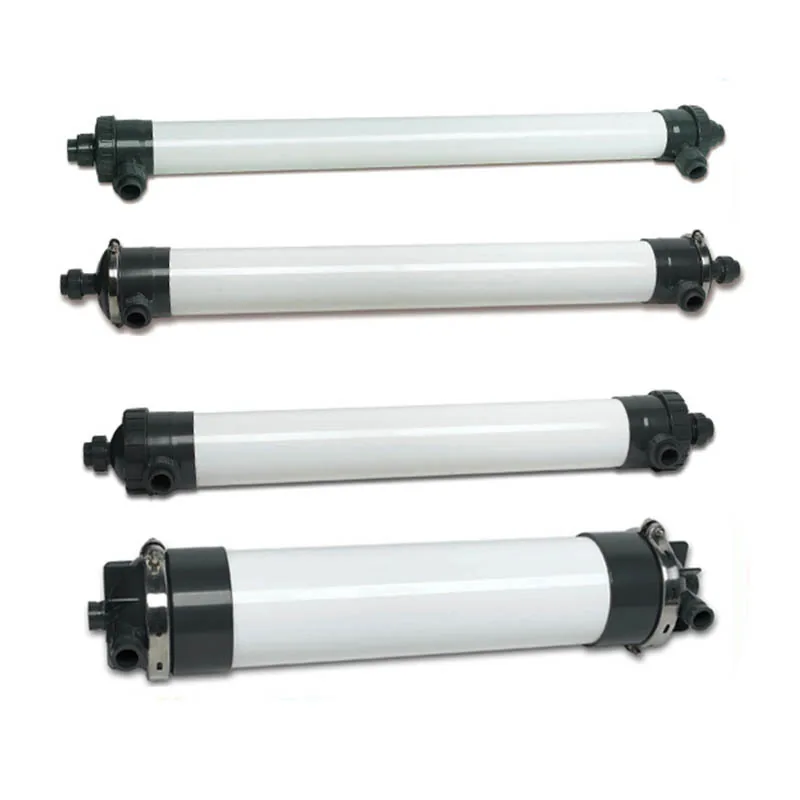
For most surface and reclaimed water, UF ahead of RO is the single most effective upgrade: a hollow fiber UF module can hold product water SDI15 below 3, far inside the SDI 5 limit typically specified for RO feed. Add cartridge filtration as a final guard, antiscalant where the saturation indices demand it, and dechlorination (activated carbon or sodium bisulphite) before any polyamide element.
Good design also means realistic flux and recovery. Over-fluxing the lead elements pushes colloids into the membrane surface; excessive recovery drives the tail elements into scaling. Both show up as cleaning calls a few months later.
Cleaning: act early, and match the chemistry to the deposit
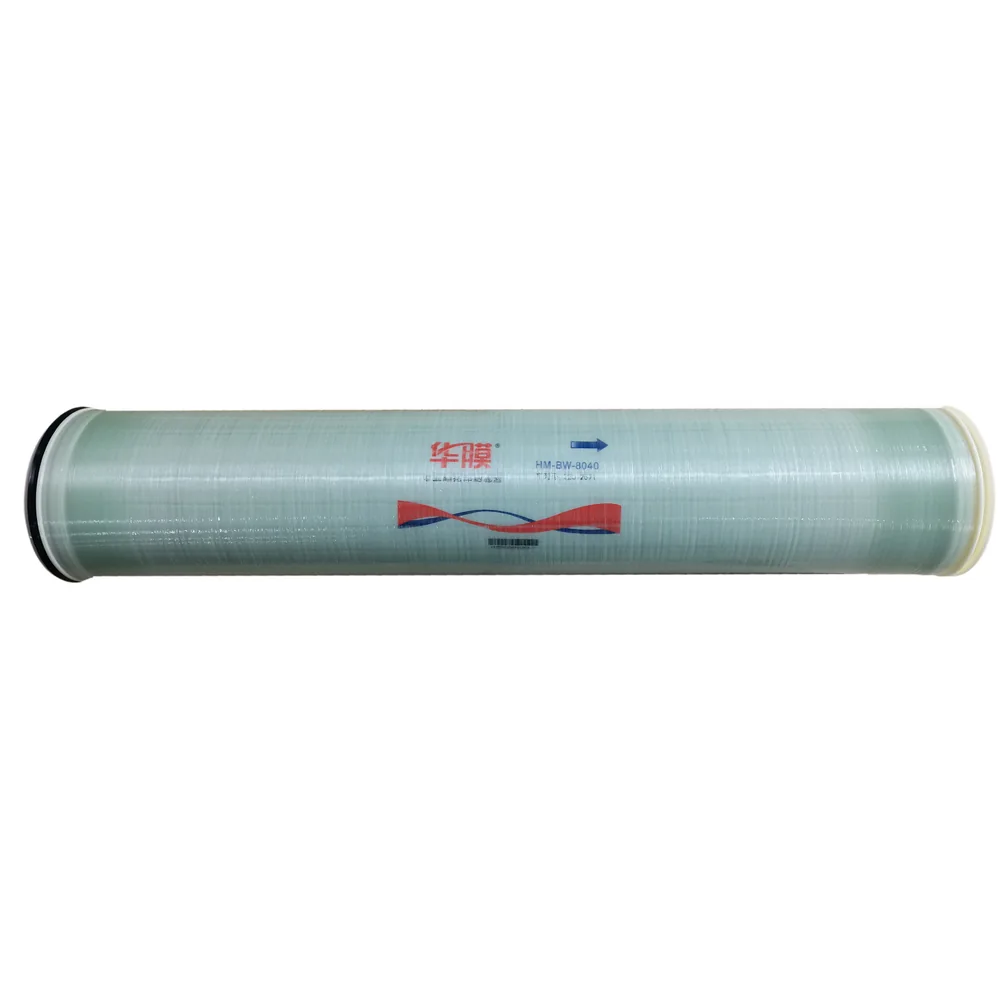
Once a fouling layer has compacted, cleaning is far less effective. A high-pH clean targets organics and biofilms; a low-pH clean targets inorganic scale and metal oxides. The correct sequence depends on which deposit dominates — cleaning with the wrong chemistry can set a biofilm rather than remove it. Always follow the membrane manufacturer's pH, temperature and pressure limits during CIP; HUAMO elements allow cleaning in the pH 2–13 range on most industrial models, subject to the model datasheet.
Record every CIP: date, chemicals, concentration, temperature, duration and the performance recovered. A declining recovery after each clean is a strong signal that pretreatment needs revision, not just more cleaning.
Practical prevention checklist
- Measure SDI15, turbidity and free chlorine at the RO feed regularly, not only at commissioning.
- Log normalized flow, salt passage and differential pressure per stage.
- Keep SDI below 5 and chlorine below 0.1 ppm at the membrane inlet.
- Size flux and recovery conservatively for the worst-case feed temperature and salinity.
- Flush with permeate or low-salinity water during extended shutdowns; prevent stagnation.
- Clean at the first signs of normalized flux loss, and verify recovery after every CIP.
If your plant is losing output, share your normalized trend data and feed analysis with our engineers — we can help identify the fouling type and recommend a pretreatment or cleaning protocol.
Related questions
How often should RO membranes be cleaned?
There is no fixed calendar interval; clean on condition. Trigger a CIP when normalized permeate flow drops roughly 10–15%, differential pressure rises significantly, or salt passage increases. Well-pretreated plants may run for months between cleans.
Can UF completely replace chemical pretreatment?
UF handles particulates, colloids and biology very effectively, but antiscalant, pH correction and dechlorination may still be required depending on feed chemistry.
Need help selecting a membrane?
Send your feed water analysis and target water quality. Our engineers will recommend a model, provide the datasheet and quote your quantity.
Contact our engineers