Electrodeionization (EDI) is the reason a modern ultrapure water plant can produce high-resistivity water continuously without stopping to regenerate a mixed bed with acid and caustic. It is not a membrane filter in the conventional sense — it is an electrically driven polishing process that combines ion-exchange resin, ion-selective membranes and a DC field.
What happens inside an EDI stack
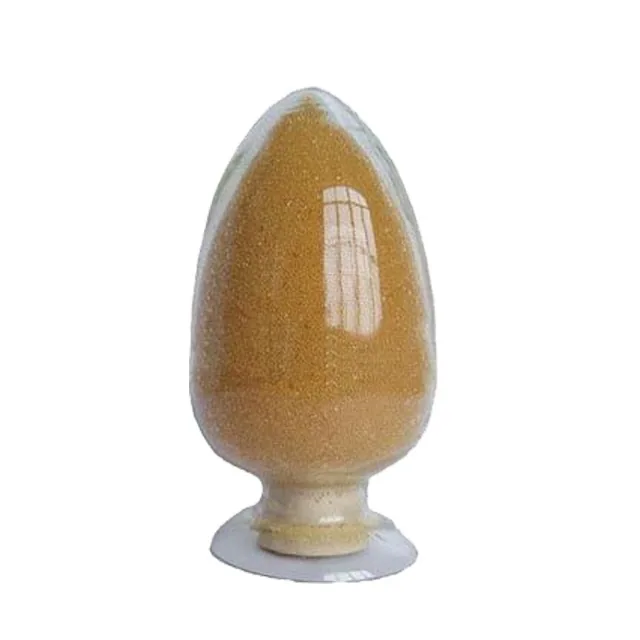
An EDI module contains alternating dilute (product) and concentrate compartments separated by cation- and anion-exchange membranes. The dilute compartments are filled with mixed ion-exchange resin. As RO permeate flows through them, resin beads capture remaining cations and anions. A DC voltage applied across the stack continuously pulls those ions through the selective membranes into the concentrate stream, while the electrical field splits water into H⁺ and OH⁻ that continuously regenerate the resin in place.
The result is two streams: a polished product stream and a small concentrate stream that is typically recycled or sent to drain. Because regeneration is electrical and continuous, there is no regeneration downtime, no bulk acid/caustic storage and no regeneration wastewater to neutralize.
Why plants choose EDI over conventional mixed beds
- Continuous operation — no cycle of exhaustion, regeneration, rinse and return to service.
- No chemical handling on site — removes acid and caustic storage, dosing and safety systems.
- Stable product quality — no sawtooth of high quality after regeneration degrading toward exhaustion.
- Smaller footprint — a compact stack replaces large regenerable vessels and chemical tanks.
- Lower operating waste — no spent regenerant stream to treat.
For the most demanding loops, a non-regenerable electronic-grade polishing resin is still placed downstream as a final barrier.
EDI needs excellent feed water
This is the part that is most often underestimated. An EDI stack is a polisher, not a workhorse. Feed should be high-quality RO permeate — commonly two-pass RO — with low hardness, controlled silica and TOC, low free chlorine, and manageable CO₂. Hardness and scaling ions precipitate on the membranes and resin; oxidants damage the ion-exchange materials; dissolved CO₂ is weakly ionized and loads the stack without being removed efficiently by RO.
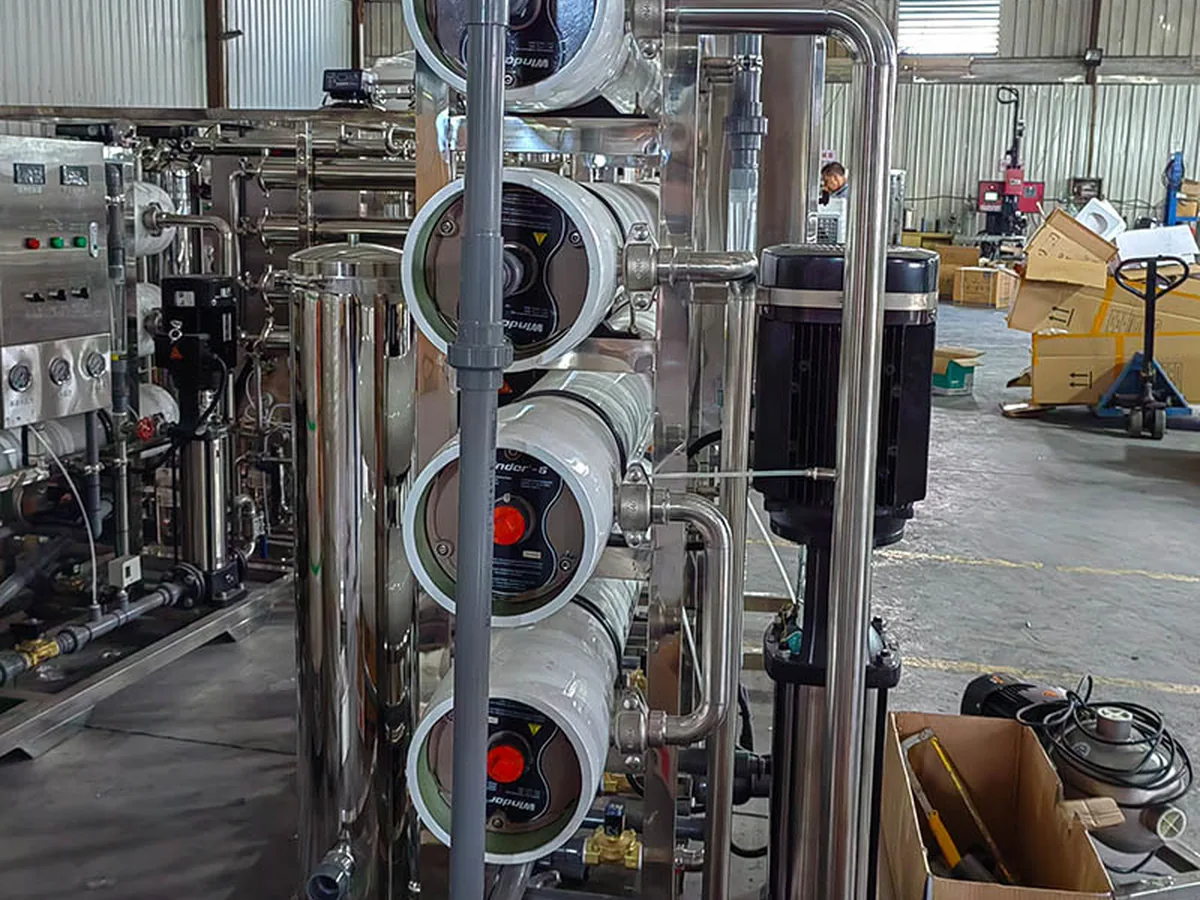
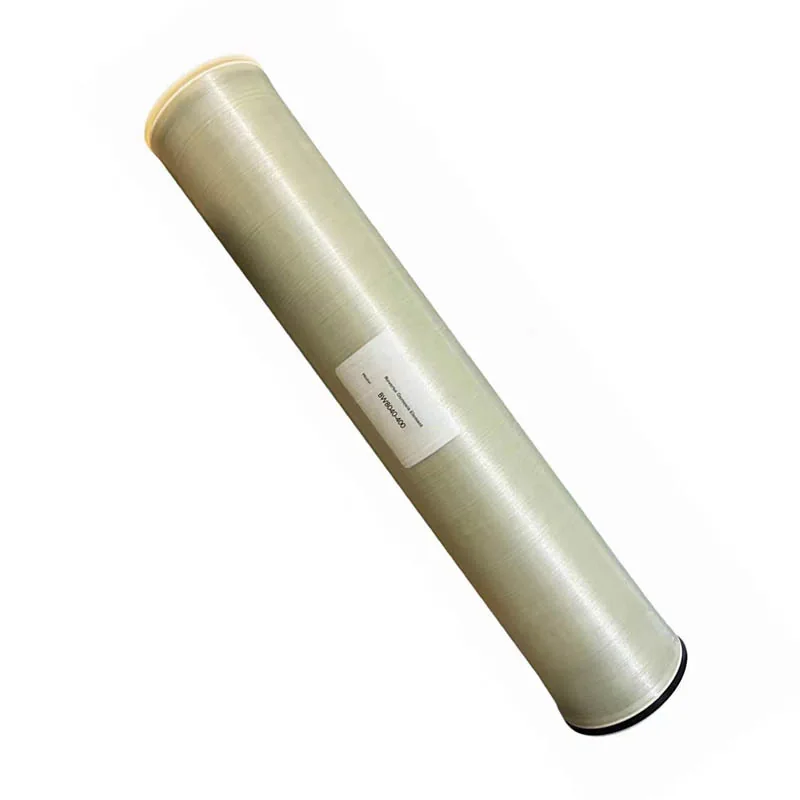
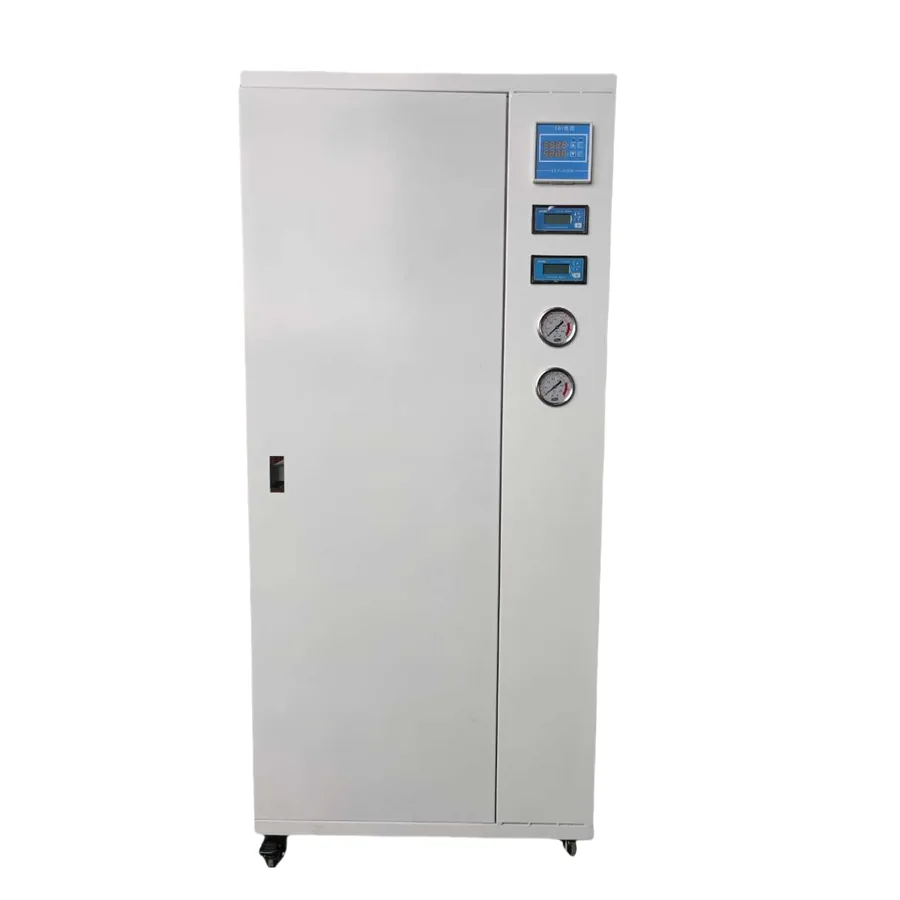
A typical HUAMO double-stage RO + EDI system therefore includes pretreatment and softening, first-pass RO, second-pass RO, degassing where needed, EDI, and a polishing mixed bed with final filtration and UV. Conductivity, resistivity, flow and pressure are monitored by a PLC panel with alarms and interlocks.
Typical applications
EDI is standard in semiconductor and electronics fabrication, photovoltaic and display manufacturing, pharmaceutical purified water pre-treatment, power plant boiler make-up, and central laboratory water systems — anywhere large volumes of consistently high-resistivity water are needed around the clock.
Common operating problems and their causes
- Gradual resistivity decline — usually feed quality drift, exhausted upstream RO, rising CO₂, or resin/membrane fouling.
- Scaling on the concentrate side — hardness or silica above the module's feed limits; improve RO performance or add softening.
- Rising pressure drop — particulate or biological accumulation; check upstream cartridge filtration and sanitization practice.
- Unstable current — check electrode compartment flow, conductivity and power supply connections.
Is EDI right for your plant?
If you currently regenerate mixed beds, consume significant acid and caustic, or need uninterrupted high-purity water, EDI is usually a strong upgrade. If your flow is small and intermittent, or feed quality cannot be stabilized, a non-regenerable polishing cartridge may be simpler.
Explore our EDI and ultrapure water range, or send your feed analysis and target resistivity and we will propose a complete RO + EDI train.
Related questions
Does EDI completely replace RO?
No. EDI is a polishing technology that requires high-quality RO permeate as feed. RO removes the bulk dissolved salts; EDI removes the remaining trace ions.
Does EDI need chemicals at all?
Routine operation does not require acid or caustic regeneration. Periodic cleaning or sanitization may still be part of the system maintenance plan.
Need help selecting a membrane?
Send your feed water analysis and target water quality. Our engineers will recommend a model, provide the datasheet and quote your quantity.
Contact our engineers