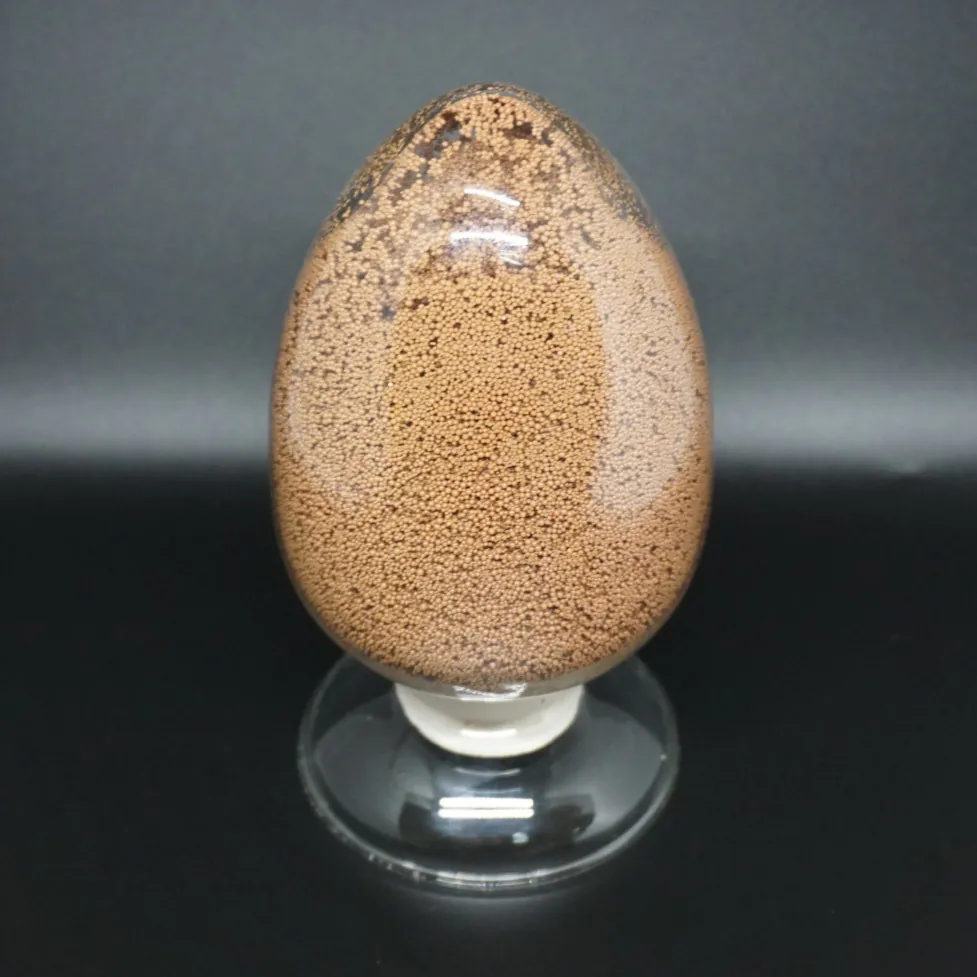
Ion Exchange Resin · Model EGP series
Electronic Grade Polishing Resin
High-purity, non-regenerable mixed-bed resin for terminal polishing in ultrapure water loops.
- Low TOC contribution
- High ionic conversion
- No on-site chemical regeneration
- Batch traceability
Datasheet, samples and OEM options available on request.
Product description
Electronic grade polishing resin is a highly converted, low-TOC mixed-bed product used as the final ion-exchange barrier in ultrapure water systems for semiconductor, photovoltaic, display and laboratory applications.
It is normally supplied as a non-regenerable cartridge or bed charge downstream of RO and EDI. Because it is replaced rather than regenerated on site, it avoids chemical handling and keeps the loop consistently clean.
Technical data
Specifications and operating limits
Values below are indicative. Request the official datasheet for certified performance data and design conditions.
| Parameter | Specification |
|---|---|
| Type | Electronic grade mixed-bed polishing resin |
| Application | Terminal polishing of ultrapure water |
| Regeneration | Non-regenerable (replace on exhaustion) |
| Key attributes | High conversion, low TOC release |
| Typical position | Downstream of RO / EDI |
| Supply | Sealed containers, batch traceability |
Typical applications
- Semiconductor ultrapure water
- Photovoltaic manufacturing
- Display panel production
- Analytical laboratories
View all Ion Exchange Resin products or application solutions.
Why source this from HUAMO
- Factory-direct manufacturing and pricing
- Individual performance testing before packing
- Export packing and documentation
- Engineering support for selection and troubleshooting
Get a quote
Request pricing, datasheet or samples
Tell us the model, quantity and your application. We reply within one business day.
Prefer email? Write to sales@huamembrane.com or chat on WhatsApp.
FAQ
Questions about EGP series
How do I know when to replace polishing resin?
Monitor outlet resistivity or conductivity and silica/TOC where relevant. When resistivity falls below your process limit, replace the charge rather than attempting on-site regeneration.
You may also need
Ion Exchange Resin
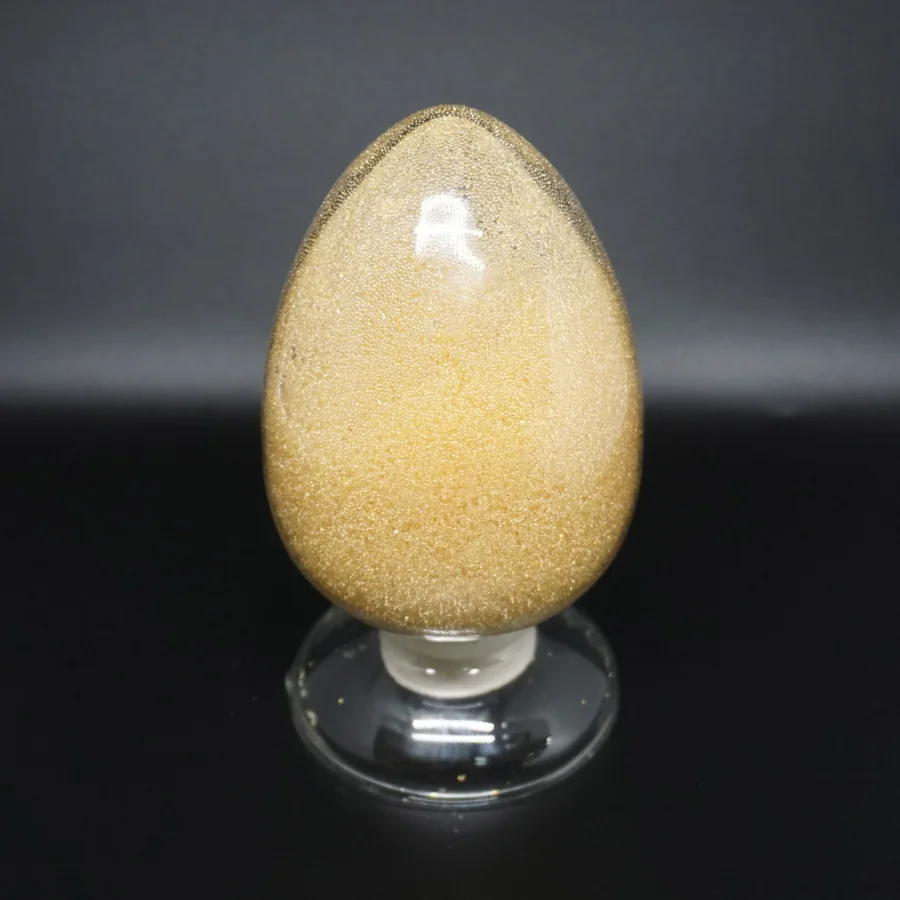
Strong Acid Cation (SAC) Ion Exchange Resin
Gel or macroporous strong acid cation resin for softening and the cation stage of demineralization trains.
View details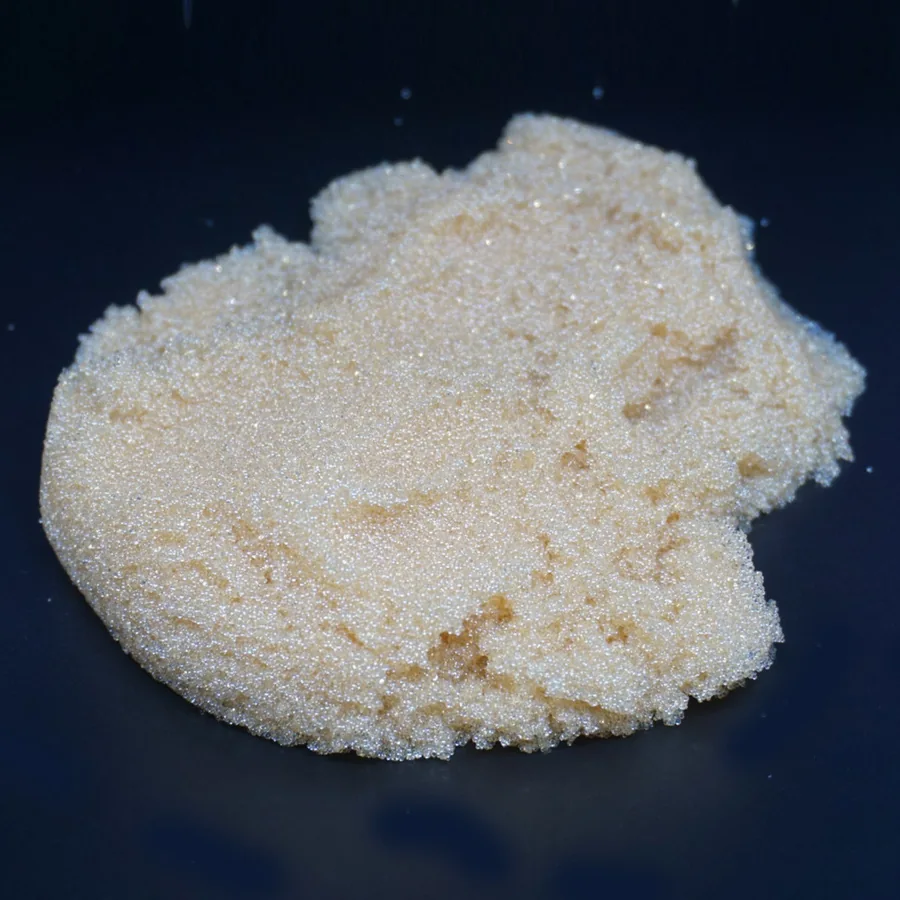
Ion Exchange Resin
Strong Base Anion (SBA) Exchange Resin 201×4 / 201×7
Type I gel strong base anion resin used for the anion stage of demineralization and silica removal.
View details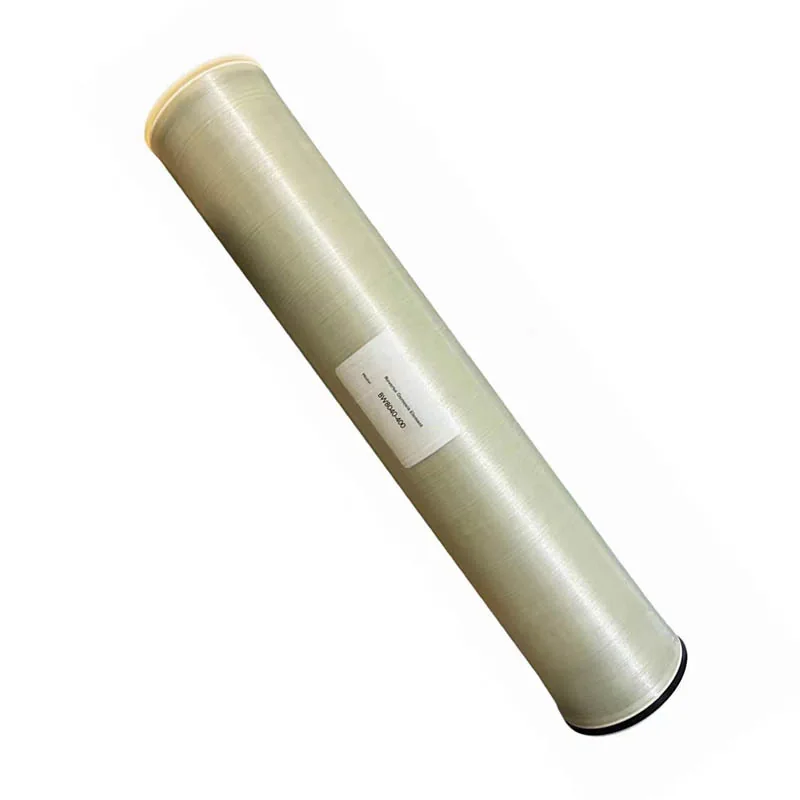
RO Membrane
BW-8040 Brackish Water RO Membrane
An 8-inch thin-film composite element for brackish and industrial feed water, balancing permeate flow and salt rejecti…
View details